

Why Bother Being Good
Philosophy Curriculum #34: Plato's Republic Pt XI - on justice, happiness, and whether any of it matters when no one is watching

We all do things we know we shouldn’t.
A white lie to avoid a slightly uncomfortable conversation. Telling someone something you know you shouldn’t just to see the reaction. Letting something pass because it’s easier than dealing with it properly.
And most of the time, nothing happens. There’s no consequence.
If nothing happens - no fallout, no one who knows, no version of events in which it catches up with you - why bother being honest, fair, or good, when being otherwise costs you nothing?
That’s not a cynical question. It’s a philosophical one. And it’s exactly the question Plato - through Socrates - is forced to answer in The Republic. His interlocutor, Glaucon, puts it pretty bluntly: if you could act unjustly and suffer no consequences whatsoever, why would you choose not to?
Plato spends ten books trying to answer this question. He builds an entire city and puts philosophers in charge of it. He constructs an elaborate lie to make citizens accept their place in it. He descends into a cave to show us how badly we misread reality. He maps, in forensic detail, how a just society curdles - slowly, inevitably - into tyranny. He throws everything he has at this one question. And still, at the very end, it isn’t quite enough. So he reaches for a myth.
The Myth of Er
Er is a soldier who dies in battle but is sent back to report what he witnessed on the other side. What he saw were souls preparing to choose their next lives. Every kind of life was available to them, freely, with no constraints.
Many of them chose badly - and the ones who chose worst were those who had been most comfortable. They had been rewarded for a just previous life, but reward without reflection had made them blind.
And so they grabbed at power, comfort, ease - without stopping to ask what those lives would actually feel like from the inside. They had simply never, while alive, asked themselves what kind of life was actually worth choosing. So when the moment came for them to make a choice for what their next life would be, they reached for what looked good. The way they always had.
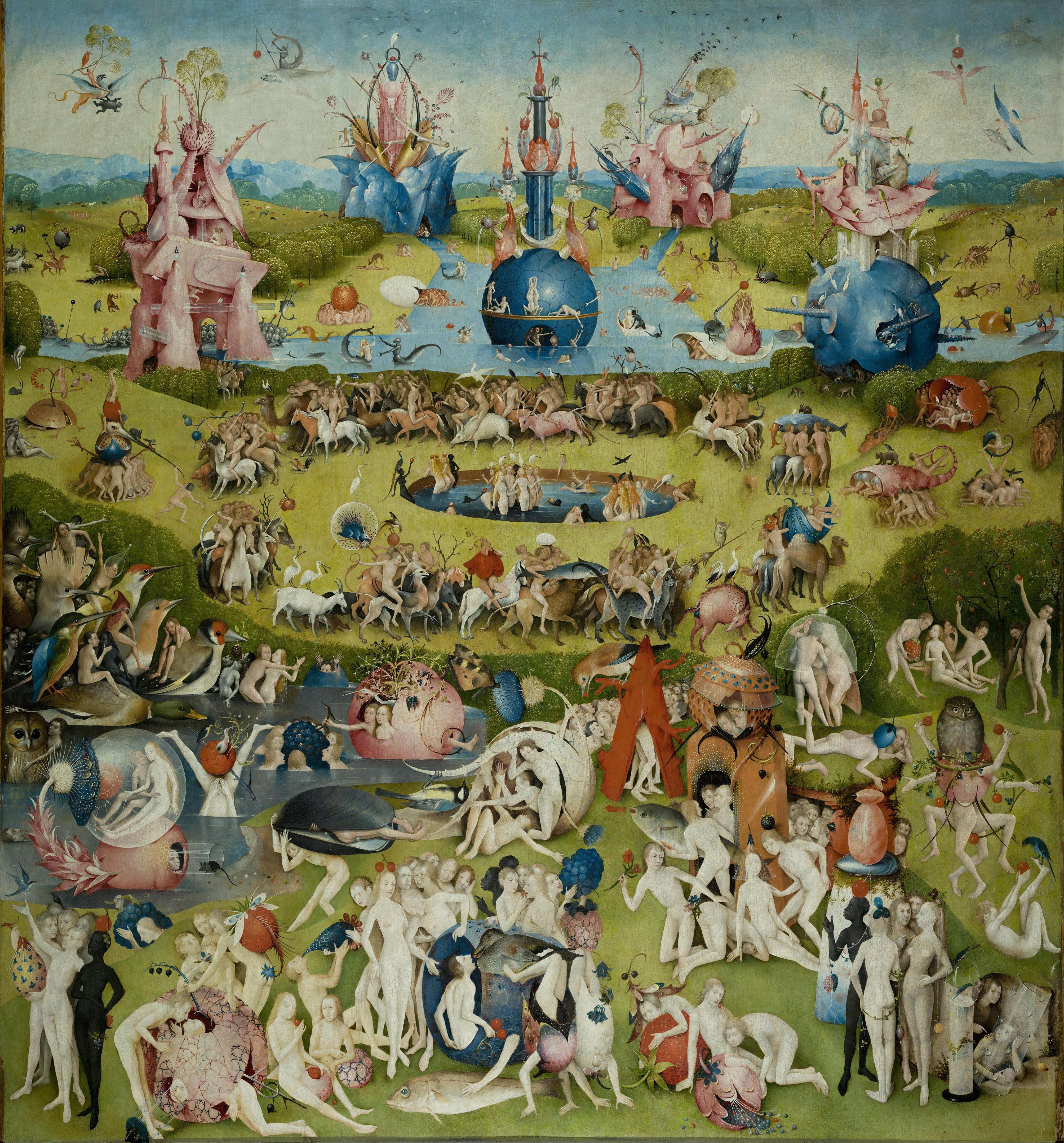
It would be easy to read this as Plato finally answering Glaucon’s challenge with a threat: be just, or face a reckoning after death. But I don’t think that’s the most interesting thing Plato is doing. If the only reason to be good is that you’ll be punished for not, we’re just constructing a logic around justice as a calculated bet, goodness as risk management.
I think the myth is pointing to a different consequence of acting unjustly.
The souls choose badly because they can’t do otherwise. They’ve spent their lives reaching for whatever looked good - status, pleasure, ease - without ever developing the capacity to want anything better. And so when the moment came, that was all they knew how to do.
Which means Er is Plato’s answer to Glaucon: every choice you make about who to be is shaping what you’ll be capable of choosing next. The white lie, the gossip, the thing you let pass - they’re practice. And what you practice, you become. The just person is better off because they can still see clearly what the right choice is when the moment to choose comes. The unjust one reaches again for what looks good, the way they always have, even when they know where it leads.
But Er is set after death. And Glaucon wasn’t asking about the soul’s next life. He was asking about this one - before any reckoning, when being just costs you something and being unjust costs you nothing visible. Whether justice pays here - I’m not sure the myth really answers that question.
The rest of this post is for members of the Studio - readers who are building their intellectual life with intention.
It includes further analysis including what modern psychology has to say about Plato’s argument - plus this week’s read, watch, and listen list.
✨ If this essay resonated with you, leaving a like helps the Studio reach more thoughtful readers ✨
If Er doesn’t answer Glaucon’s question, the answer has to come from somewhere else. Not after death, but within a life. If injustice really carries no external cost - no punishment, no exposure, no fallout - then the only place left to look is what it does to us.
