

Reading Guide for The Elected Member
A devastating story about family, authority, and the grief of the living


Welcome back to the Studio Shelf, the monthly book club from Ruby’s Studio, where each month we read one of the Booker Prizes winners, slowly and attentively.
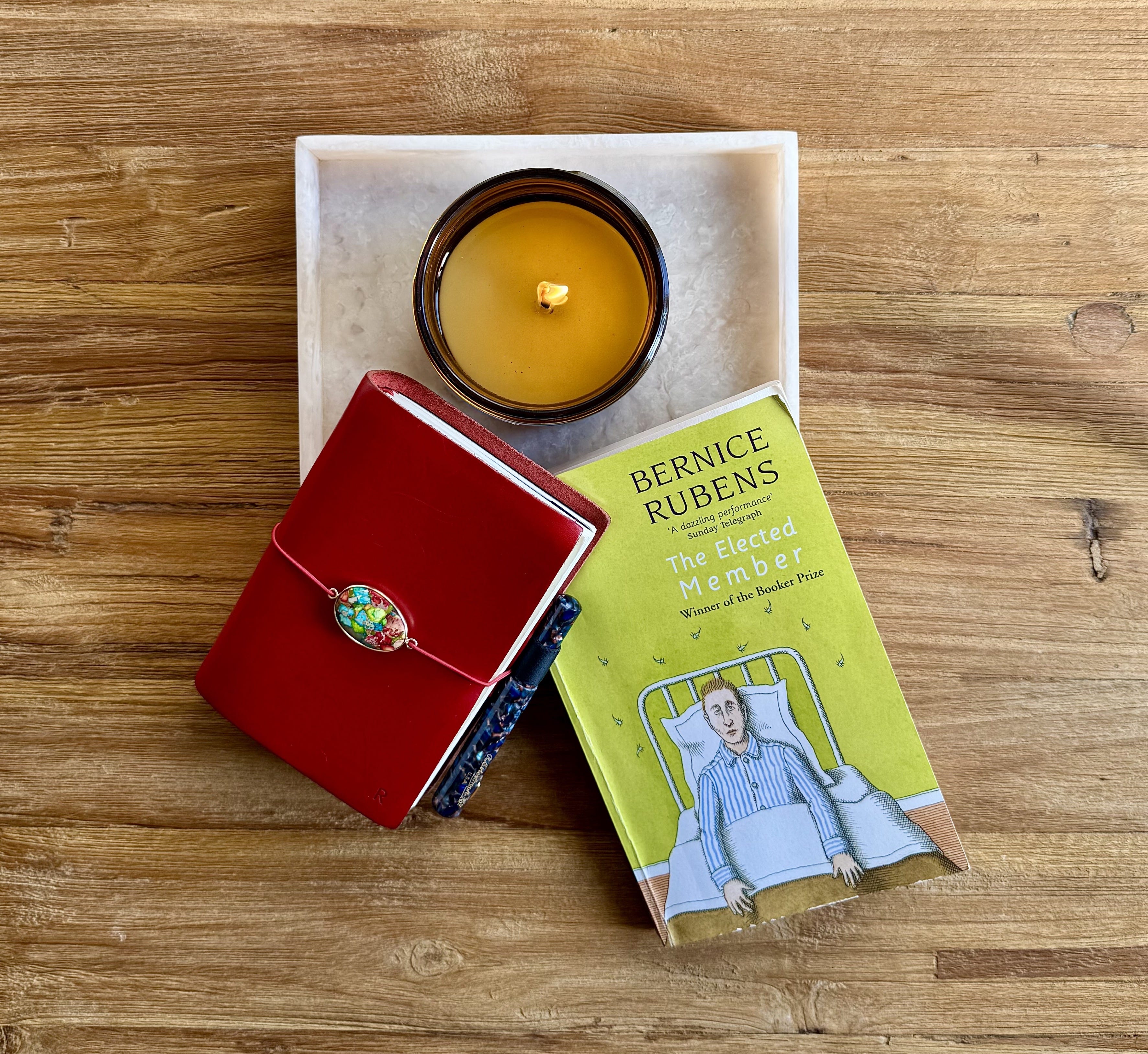
This month, we’re reading The Elected Member by Bernice Rubens - winner of the 1970 Booker Prize and the first novel by a Welsh woman to receive the award.
It’s a slim, unsettling book about family, mental illness, and that fragile line between care and control.
Reading Guide: key themes
If you’re reading along with us this month, here are two themes that stood out most for me, that you may want to follow:
Care and Obligation: At the heart of The Elected Member is a family trying to “do the right thing.” When following this thread, try to reflect on where and how care is expressed whether through routine, sacrifice, or interference. Where does love feel steady? Where does it feel strained?
Public Respectability vs Private Reality: Like most families, the Zweck family is deeply conscious its reputation within its local community. Notice how the family presents itself to the outside world, and how that presentation differs behind closed doors. What is preserved at all costs? And what is allowed to deteriorate?

Reading Together
We are reading the book together on Fable and will meet online on 5 March 2026 at 7.30pm GMT to discuss in detail.
Reading with more depth
If you’d like to read The Elected Member with more texture, depth, and curiosity, I’ve created a Studio Shelf+ Reading Companion designed to help you stay with the novel a little longer.
It’s a guide for readers who enjoy lingering - who like to underline, pause, return.
The companion includes:
additional themes to annotate and follow across the novel
reflective journaling prompts that move between the text and your own life
a creative exercise inspired by the book’s shifting perspectives
two strands of further reading for critical depth and thematic parallels
It’s designed for slow reading - something you can print, annotate digitally, or come back to after you’ve finished the book.
The rest of this post is for members of the Studio - readers who are building their intellectual life with intention.
Below, you’ll find a short reflection on language and grief, along with the full Reading Companion
On Grief, Language, and the Son Who “Died”
Very early on, I kept noticing how Rabbi Zweck refers to his son’s drug dealer as his murderer. It’s such an extraordinary choice of a word.
