

Philosophy Curriculum #25: The First City
Plato's Republic Pt 3: On why a perfectly organised life still feels empty


This is the third part of a miniseries diving into Plato’s greatest work: The Republic. You can find the earlier parts here
When I first picked up The Republic, I had a vague idea of what I was getting into: Socrates builds a city. Plato’s big one. But, whilst I was reading it, I realised it’s not just one city he builds - it’s three. Each one gets built to respond to a different pressure in the conversation. Socrates needs them all to answer the questions that are driving the dialogue from the start: what is justice, and why would anyone would choose it?
Last week, I explored the way Plato shows how justice - at an human level - is on shaky ground. Why bother being just when acting unjustly is often quicker, cheaper and more profitable - especially if you don’t get caught. Thrasymachus and Glaucon make it hard to believe anyone would reliably choose justice for its own sake.
It’s at this point Socrates changes tack. Rather than continuing to search for justice in an individual, he suggests that justice may be easier to “find” in a city, in the same way that something written in larger letters is easier to read.
So begins construction of the first city.
The First City
The first city is, at best, modest. It’s there to meet basic needs and it’s organised around one core principle: each person does the one job they’re naturally suited to and no more (the Principle of Specialisation).
Farmers farm, builders build, shoemakers make shoes. No-one tries to do anything else - no side hustles here. For Socrates, and for the entirety of The Republic, this principle is fundamental. Without it, there can be no unity or order.
In this micropolis, everyone acts out of mutual self-interest. There isn’t an underlying altruism demanded here - people cooperate because they depend on one another. The farmer grows food knowing it will be exchanged for clothing, the shoemaker makes shoes knowing it will be exchanged for shelter and so on. Everyone benefits from everyone else doing their own work well.
Justice, hasn’t really shown up yet - not as a virtue, anyway. What we have so far is order and people staying in their lane.
When Doing One Thing Isn’t Enough
In all honesty, my initial reaction was of skepticism. This may work on paper but it misses a crucial point: we are complex creatures.
The entire structure of this first city, and those that follow, rest on this Principle of Specialisation: the idea that each of us should do the one thing we are naturally good at. But can we really be reduced down to that one thing? Are we really that singular?
Even if that holds, I don’t buy that we can live like that. We are naturally curious and restless - especially when confined too narrowly. We want to try things we aren’t good at yet and the things we are naturally good at are often exactly the things we end up resenting, particularly if they become the whole story. A life organised around functional efficiency risks becoming monotonous rather than meaningful.
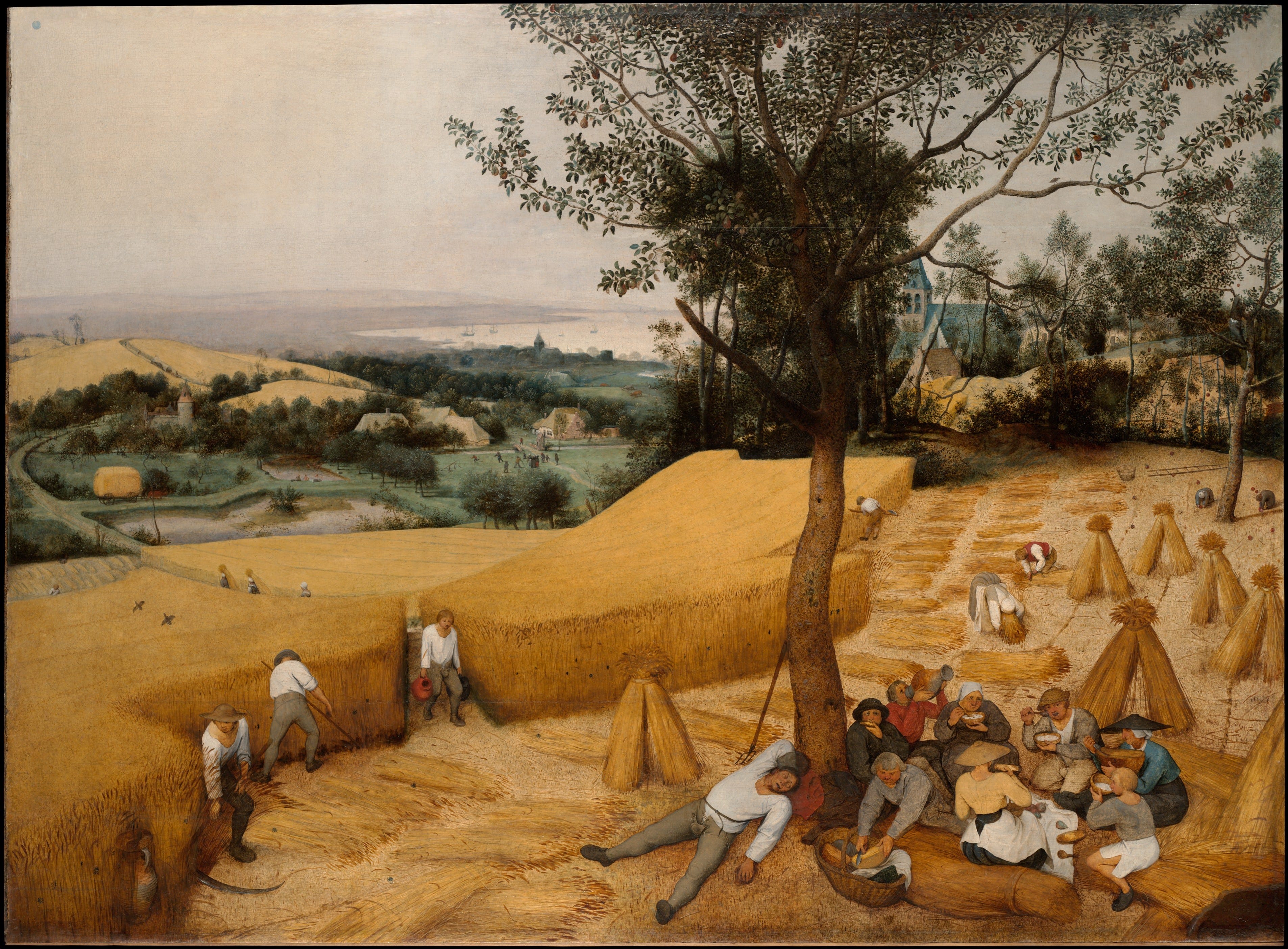
When I think about it, this reduction down to a singular narrative is something that we see in our daily lives. We form fixed narratives about our colleagues - who they are, what they’re good at, what they want - and organise opportunities around those assumptions. Let’s be honest - no-one really shows up as their true selves at work regardless of how often we are encouraged to do so. And what this all leads to is missed opportunity.
That same instinct is also in social media - how platforms reward creators for staying within a narrow niche, mistaking coherence for one-dimensionality. The audience receives inauthentic same-y content and the creator feels burned out frustrated they aren’t able to diversify without risking reach or relevance. It’s as if the algorithm doesn’t want us to grow or change.
I suppose where I am going with this is that this Principle misses something equally fundamental about human nature: we’re not just creatures of function. We’re creatures of curiosity, ambition, restlessness, all of it.
Mencius would likely have been sympathetic to my skepticism. For him, human beings possess innate tendencies toward moral growth - little sprouts that need the right conditions to grow. A purely functional order may well be stable, sure. But if it leaves no room for cultivation - exploration or moral development - then it risks flattening the very capacities that make a life flourish.
Why Function Isn’t Enough
The thing is: the first city isn’t a dystopia. It’s almost…reasonable. It meets needs, it coordinates roles and responsibilities, it feels calm in a way. But it also feels a bit dead. Like a life spent “functioning” rather than living.
That’s the tension Plato is setting up. If a city organised around necessity can work this well and still feel insufficient, then justice - whatever it turns out to be - can’t just be about systems running smoothly. Something else has to enter the picture. And that’s where the dialogue starts getting really interesting.
The rest of this post is for paid subscribers and includes further observations for more reflective readers and a voice recording of this essay for those who may prefer to listen to it
